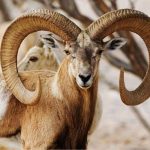
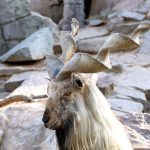
Picture yourself standing on a windswept ridge at 15,000 feet. The air is thin. Your breath creates clouds in the frigid mountain air. Through your binoculars, you spot the prize – a magnificent Himalayan Ibex with massive, curved horns silhouetted against Pakistan’s towering peaks.
This isn’t just hunting. It’s the adventure of a lifetime.
Himalayan Ibex hunting Pakistan offers one of the world’s most challenging and rewarding trophy hunting experiences. This Pakistan trophy hunting adventure combines breathtaking alpine scenery, incredible physical challenges, and meaningful wildlife conservation. If you’re ready for the ultimate mountain hunting expeditions, this guide will show you everything you need to know.
High-altitude hunting for Himalayan Ibex isn’t for everyone. But for those who answer the call, it’s an experience that changes you forever.
What Makes Himalayan Ibex Hunting So Special?
The Himalayan Ibex (Capra sibirica) stands as one of nature’s most impressive mountain dwellers. These magnificent creatures inhabit the world’s highest mountain ranges, from 10,000 to 16,000 feet above sea level.
Why do hunters travel from around the globe for this experience?
Here’s what makes it extraordinary:
Trophy Quality That’s Unmatched
- Horn lengths averaging 38-40 inches
- Trophy bulls exceeding 40 inches
- Exceptional specimens reaching 44-45 inches
- The Pakistan record: an incredible 55 inches
Conservation Success Story Every hunt directly supports wildlife conservation. Pakistan’s Community-Based Conservation Program ensures 80% of hunting revenue goes to local communities. This creates powerful incentives for wildlife protection and has transformed former poachers into dedicated gamekeepers.
Physical Challenge Like No Other This is pure spot-and-stalk hunting. No vehicles. No horses in most areas. Just you, your guide, and the mountain. The terrain is unforgiving, but the rewards are proportional to the effort.
Where Can You Hunt Himalayan Ibex in Pakistan?
Gilgit-Baltistan: The Premier Destination
Gilgit-Baltistan Ibex hunting represents the pinnacle of the experience. This region encompasses the Karakoram, Himalayan, and Hindu Kush ranges – home to Pakistan’s strongest Himalayan Ibex populations.
Key Hunting Areas:
- Hushe Valley in Central Karakoram National Park
- Hunza Valley with its stunning landscapes
- Ishkoman Valley for serious trophy hunters
- Yasin Valley offering diverse terrain
Access is typically through domestic flights from Islamabad to Gilgit or Skardu. Many outfitters report 100% success rates in these areas , a testament to healthy populations and expert local guides.
Chitral: Where It All Began
Chitral holds special significance as the birthplace of Pakistan’s trophy hunting program. The Chitral Conservation Hunting Program, started in 1983, pioneered the community-based model that’s now used nationwide.
While Chitral is famous for its world-class Markhor, it also offers excellent Himalayan Ibex opportunities in the Hindu Kush mountains.
Skardu District: The Ultimate Challenge
Skardu District provides what many consider the most physically demanding Capra sibirica hunting in the world. The terrain here is consistently described as “rugged and arduous.”
Hunters navigate:
- Steep mountain faces
- Snow-covered glaciers
- Altitudes from 10,000-16,000 feet
- Unpredictable weather conditions
The payoff? Some of the most spectacular trophy animals and an unforgettable adventure in one of Earth’s most beautiful places.
When Should You Hunt Himalayan Ibex?
The official hunting season runs from October to April, but timing matters enormously for success.
Winter: Peak Season (Mid-December to Mid-January)
This is when Pakistan hunting seasons really shine. The Himalayan Ibex rut occurs during this period, making mature bulls more active and visible. Cold weather and snow force animals down from summer ranges to more accessible elevations.
Advantages:
- Bulls are most active during rut
- Animals descend to lower, accessible altitudes
- Thick winter coats enhance trophy value
- Highest success rates
Spring: The “Easy Hunt” (February-March)
Spring offers what locals call trophy Ibex hunting on “easy mode.” After the long winter, hungry animals actively seek new grass at even lower elevations.
Benefits:
- Animals are highly visible
- Less physically demanding
- Predictable animal behavior
- Good weather windows
Fall: Unpressured Animals (October-November)
Early season hunting targets animals that haven’t yet been pressured by hunting activity.
Considerations:
- Animals haven’t been hunted yet
- Weather is generally favorable
- Less crowded hunting areas
- Good trophy opportunities
What Does Himalayan Ibex Hunting Cost?
Ibex hunting packages Pakistan typically range from $10,000 to over $22,000. This reflects the premium nature of the experience and the complex logistics involved.
What’s Included in Hunting Packages
Professional Services:
- Licensed professional hunter
- Local guides with terrain expertise
- All necessary permits and documentation
- Government fees and taxes
Logistics:
- Airport transfers in Pakistan
- All transportation to hunting areas
- 4×4 vehicles and porter services
- Domestic flight arrangements
Accommodation:
- Full board in hunting areas
- Shepherd’s huts, tents, or fly camps
- All meals and non-alcoholic beverages
- Dedicated camp staff
Trophy Care:
- Field preparation of trophy
- Initial skull cleaning
- Skin salting and preservation
Additional Costs to Budget For
Travel Expenses:
- International flights to Islamabad
- Domestic flights within Pakistan
- Hotel stays before/after hunt
- Travel delays due to weather
Personal Expenses:
- Gratuities for guides and staff
- Trophy export documentation
- CITES permits and shipping
- Personal high-altitude gear
Essential Permits and Documentation
Navigating Pakistan’s hunting regulations requires professional assistance. Reputable Pakistan hunting outfitters handle this complex process for their clients. book your adventure today with PakAdventure.
Required Permits
Government Hunting Permit:
- Allows harvest of one Himalayan Ibex
- Non-refundable once issued
- Limited numbers auctioned annually
- Revenue supports conservation programs
Community Access Fees:
- Required for hunting area access
- Funds go directly to local communities
- Supports anti-poaching efforts
- Enables conservation programs
Firearm Import Process
Bringing hunting rifles into Pakistan requires:
- Temporary gun import permit
- Firearm carry and use license
- Customs clearance procedures
- Several weeks processing time
Critical: Never attempt this without professional outfitter assistance. Violations can result in severe fines or weapon confiscation.
What Equipment Do You Need?
High-altitude trophy hunting demands specialized equipment and careful preparation.
Rifle Selection for Mountain Goat Hunting
Long-range shots from 250-800 meters are common. Recommended calibers include:
Top Choices:
- .300 Winchester Magnum (most recommended)
- .30-06 Springfield (classic versatility)
- .270 Winchester (flat trajectory)
The .300 Win Mag offers superior ballistic performance for extended ranges, though with increased recoil. Focus on high-ballistic coefficient ammunition for optimal long-range performance.
Essential High-Altitude Gear
Clothing System:
- Moisture-wicking base layers
- Insulating fleece or down jacket
- Windproof/waterproof hard shell
- Multiple sock and glove options
Critical Equipment:
- High-quality binoculars (10×42 minimum)
- Spotting scope for animal assessment
- Well-broken-in trekking boots
- Trekking poles for stability
- Microspikes for icy conditions
Health and Safety:
- Personal first aid kit
- Altitude medication (Diamox)
- Sunglasses and sunscreen
- Emergency shelter options
Physical Preparation
This hunt demands serious fitness preparation. Start training 6-12 months in advance.
Training Focus:
- Cardiovascular endurance through running, cycling, swimming
- Weighted hiking with pack on inclines
- Functional strength with squats, deadlifts, lunges
- Mental preparation for challenging conditions
Remember: This is consistently described as requiring “considerable physical effort.”
Booking Your Himalayan Ibex Adventure
Timeline and Booking Process
Start Early: Book 12-18 months in advance, especially for peak rutting season dates.
Booking Steps:
- Initial consultation with outfitter
- Package and date selection
- Contract signing and deposit (typically 50%)
- Permit and documentation processing
- Final payment (2-3 months before hunt)
- Travel coordination and final preparations
Choosing the Right Outfitter
Selecting the right outfitter is crucial for success. Look for:
Essential Qualifications:
- Official licensing for Pakistan hunting operations
- Transparent success rate reporting
- Strong client references and testimonials
- Proven logistical expertise
- Experience with international hunters
Red Flags to Avoid:
- Unrealistic success rate claims
- Lack of proper licensing documentation
- No client references available
- Poor communication or responsiveness
Conservation: Why This Hunt Matters
Karakoram hunting and Hindu Kush hunting programs represent conservation success stories. The Community-Based Trophy Hunting Program has transformed wildlife protection in Pakistan.
Conservation Impact
Financial Model:
- 80% of revenue to local communities
- 20% to government conservation programs
- Direct funding for schools, clinics, infrastructure
- Employment for former poachers as game guards
Wildlife Results:
- Stable to increasing Himalayan Ibex populations
- Reduced poaching in hunting areas
- Habitat protection incentives
- Scientific monitoring and data collection
The IUCN lists the broader Siberian Ibex as “Least Concern,” while the Himalayan subspecies is “Near Threatened.” Hunting areas consistently show stable or growing populations – proof that well-managed hunting supports conservation.
CITES Permit Ibex and Trophy Export
After your successful hunt, proper trophy export requires careful attention to international regulations.
Export Requirements:
- CITES documentation for international transport
- Export permits from Pakistani authorities
- Import permits for your home country
- Professional shipping and handling
Most outfitters can arrange trophy export services, though this involves additional costs beyond the hunt package.
Ready for the Adventure of a Lifetime?
Himalayan Ibex hunting Pakistan offers an experience that goes far beyond typical hunting trips. It’s a journey into some of Earth’s most spectacular landscapes, a meaningful contribution to wildlife conservation, and a personal challenge that will test your limits.
The combination of mountain hunting expeditions in the Karakoram and Hindu Kush ranges, the thrill of pursuing one of nature’s most magnificent creatures, and the knowledge that your adventure directly supports conservation makes this truly special.
Whether you choose Gilgit-Baltistan Ibex hunting for maximum trophy opportunities, or venture into the challenging terrain of Skardu District, you’re embarking on a hunt that few will ever experience.
The mountains are calling. The Himalayan Ibex is waiting.
Your Pakistan trophy hunting adventure starts with that first step – reaching out to a qualified outfitter and beginning the journey toward the hunt of a lifetime.
Are you ready to answer the call of the high country?

Tahir is a renowned outdoor adventure specialist and wildlife tourism consultant with over 15 years of experience exploring Pakistan’s diverse hunting and fishing destinations. Based in Islamabad, he has guided expeditions across the Northern Areas, from the trout-rich streams of Gilgit-Baltistan to the high-altitude ibex hunting grounds of the Karakoram range.