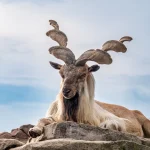
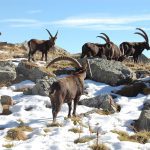
Lets imagine You’re on a rocky ridge in Pakistan’s Kirthar National Park. The morning mist clears. A magnificent Sindh Ibex appears with trophy horns. But here’s the truth timing makes or breaks your hunt.
Getting the timing right for Sindh Ibex hunting can change everything. You might be a seasoned hunter or planning your first big game trip. Either way, you need to know when to hunt these amazing animals.
When is the best time to hunt Sindh Ibex in Pakistan?
October through December is your golden window. But if you want the absolute best, book mid-November to mid-December.
This isn’t random advice. It’s based on years of hunting data and local knowledge. Everything aligns during these months. The weather works with you. Animals stay active. Trophy quality hits its peak.
Think of October to December as your sweet spot. Post-monsoon weather gives you crystal-clear views across Pakistan’s dramatic landscapes. Temperatures stay comfortable at 15-25°C during the day. You won’t fight extreme heat or bad weather.
Why is October–December the peak hunting season?
Several natural events make October through December perfect for Sindh Ibex hunting. Post-monsoon conditions bring clear skies and moderate temperatures. This makes hunting enjoyable instead of miserable.
Here’s what gets really interesting. This period matches the ibex’s natural behavior perfectly. The animals become more active and visible. They move more predictably. The crushing summer heat that pushes these creatures into shady gorges has ended. They return to ridges and open slopes where hunters can spot them.
The weather factor alone makes this season worth the wait. Those moderate daytime temperatures mean you can enjoy your hunt. You won’t worry about heat exhaustion during long treks through tough terrain.
What happens during Sindh Ibex rutting season?
November and December bring rutting season. This transforms Sindh Ibex hunting from good to amazing. Male ibex become incredibly active during the rut. They engage in displays and dramatic horn battles to show dominance.
If you’ve never seen rutting behavior in wild game, prepare for a show. These magnificent males position themselves on exposed ridges and open slopes. This makes them much easier to spot and stalk. Nature puts on a performance just when hunters need it most.
Rutting season also makes males less cautious. They focus more on mating displays than avoiding hunters. This creates opportunities that don’t exist other times of the year.
How does weather affect hunting success in fall?
Fall weather in Pakistan’s hunting regions is perfect for outdoor adventures. Post-monsoon conditions create amazing air clarity. You can see across vast landscapes for miles.
Those moderate daytime temperatures of 15-25°C keep you comfortable all day. No more energy-draining heat that makes every step feel like torture. Both you and your target animals stay more active when weather cooperates.
The post-monsoon period brings something special. Cleared water sources and dust-free conditions. Late September runoff clears the air and opens new water sources. This draws ibex to lower elevations where they’re easier to reach using spot-and-stalk methods.
What are the trophy quality advantages in peak season?
Trophy hunters need to understand this. Horn development in Sindh Ibex follows a specific timeline. After the summer rut, mature males have fully developed horns. These horns have optimal mass and length with heavy calcium deposits.
We’re talking about trophies measuring 40-47 inches during peak season. These aren’t just numbers. They represent the difference between a good hunt and an exceptional one you’ll remember forever.
Horn quality during October through December can’t be matched. Calcium deposits have fully developed. This creates impressive mass and distinctive curves that make Sindh Ibex trophies so prized.
Can you hunt Sindh Ibex outside peak season?
Yes, but you need to know what you’re getting into. January through March hunting is still possible and productive. But it comes with trade-offs.
During these months, temperatures rise to 20-30°C. Vegetation starts thinning out. This makes stalking more challenging because you lose natural cover. But animals are sometimes easier to spot across bare landscapes.
The real difference shows in trophy quality and hunting comfort. You can harvest ibex outside peak season. But you won’t get the same horn development or ideal weather conditions that make October-December special.
What are January–March hunting conditions?
January through March offers a completely different hunting experience. Post-rut males form bachelor groups. They frequent lower-elevation areas. This offers interesting stalking opportunities but with slightly reduced trophy quality.
The behavior changes are fascinating for hunters. Instead of territorial, aggressive males during rutting season, you deal with more social, group-oriented animals. This requires different strategies and approaches.
Temperature-wise, you face gradually increasing heat through these months. Pleasant January weather slowly builds toward challenging late March temperatures.
How does post-rut behavior affect hunting?
Post-rut behavior creates unique hunting opportunities. Some experienced hunters actually prefer this. Those bachelor groups tend to be more predictable in their movements. They often frequent the same areas day after day.
The males are less aggressive and territorial. This can make them easier to approach in some situations. But group behavior also means more eyes watching for danger. Your stalking skills need to be perfect.
Lower-elevation areas during post-rut season can help hunters who struggle with high-altitude hunting. These areas are often more accessible. They require less physical conditioning to hunt effectively.
What are the temperature benefits of winter hunting?
December through February hunting offers the most comfortable conditions in Pakistan’s hunting regions. Cool mornings start at 5-10°C. They gradually warm to pleasant 15-20°C afternoons.
This temperature range is perfect for those long treks that successful ibex hunting requires. You’re not fighting heat exhaustion. You’re not bundled up against freezing conditions. You’re in that sweet spot where you can focus entirely on the hunt.
Reduced heat stress benefits both hunters and animals. Animals stay more active throughout the day instead of seeking shelter during peak heat. This gives you extended hunting opportunities.
What weather patterns affect Sindh Ibex hunting?
Understanding Pakistan’s weather patterns is crucial for planning your hunting adventure. Summer months (May through September) bring extreme temperatures of 35-45°C. This forces ibex into narrow, shady gorges where you rarely see them.
Fall and winter (October through February) deliver moderate temperatures. This improves both animal activity and hunter comfort. It’s simple – work with nature’s schedule, not against it.
Monsoon season (June through September) brings challenges beyond temperature. Unpredictable storms hit. Terrain becomes slippery. Flash floods occur. Access roads can become completely blocked. This can strand hunting parties or force dangerous evacuations.
How does seasonal temperatures impact hunting?
Temperature changes in Pakistan’s hunting regions are dramatic. They directly impact every aspect of your hunting experience. During summer’s extreme heat (over 40°C), ibex behavior changes completely. They seek shade in deep gorges. They become inactive during daylight hours.
This temperature-driven behavior shift means summer hunting isn’t just uncomfortable. It’s mostly ineffective. You’re hunting nocturnal animals during a season when visibility and access are already bad.
Compare this with fall and winter hunting. Moderate temperatures keep ibex active and visible throughout most of the day. You work with their natural behavior patterns instead of fighting them.
What role does rainfall play in hunting success?
Rainfall patterns in Pakistan’s hunting regions follow a predictable monsoon schedule. Every serious hunter needs to understand this. June through September monsoons don’t just bring rain. They bring unpredictable storms, dangerous flash floods, and terrain conditions that can turn hunting into survival.
But there’s a positive side. Post-monsoon conditions in late September and October create ideal hunting scenarios. Cleared air, dust-free conditions, and new water sources draw ibex to areas where hunters can reach them more easily using spot-and-stalk methods.
Think of monsoon season as nature’s way of setting up perfect fall hunting conditions.
How far in advance should you book Sindh Ibex hunting?
Here’s hard truth about Sindh Ibex hunting logistics. You need to secure permits and guides 6-8 months before your trip. This isn’t a suggestion. It’s absolutely essential for peak season hunting.
The Pakistani government auctions only 15 permits annually to foreign hunters. October through December slots sell out incredibly fast. We’re talking about limited opportunities for one of the world’s most sought-after hunting experiences.
Early planning isn’t just about securing your spot. It’s about locking in reasonable prices before last-minute fees kick in.
What is the booking timeline for peak season?
Peak season booking operates on an auction system that rewards early planning and quick decisions. Government permits for October through December slots are highly competitive. Demand far exceeds the 15 available permits for foreign hunters.
Start your planning process at least 8 months ahead of your hunting dates. This gives you time to participate in permit auctions. You can secure quality guides. You can arrange all the details that make or break hunting expeditions.
Remember, this isn’t like booking a hotel room where you find last-minute deals. Peak season Sindh Ibex hunting permits are luxury items in the hunting world.
How much does advance booking affect pricing?
Securing your permits during the regular auction periods ensures you get the most favorable terms and avoid extra charges.
If you wait until the last minute, you risk higher fees and limited availability, which can add unnecessary stress to your trip planning.
When you also consider the cost of outfitter packages during peak season, the financial and practical advantages of booking early become even clearer.
What should you avoid when planning Sindh Ibex hunting?
Never plan Sindh Ibex hunting during summer months (May through September). This isn’t about comfort. It’s about basic hunting effectiveness and safety.
Extreme heat forces animals into behavior patterns that make successful hunting nearly impossible. It creates significant health risks for hunters attempting long treks in temperatures over 40°C.
Also avoid monsoon season challenges from June through September. Unpredictable storms hit. Terrain becomes slippery. Flash flood risks occur. Access roads can become impassable. This creates genuinely dangerous conditions.
Why is summer hunting not recommended?
Summer hunting in Pakistan’s ibex regions isn’t just inadvisable. It’s potentially dangerous and mostly ineffective. High daytime temperatures over 40°C force ibex into narrow, shady gorges. Encounter rates drop dramatically.
Heat-related health risks for hunters are significant. Long treks through challenging terrain become survival exercises instead of skilled hunting. Heat exhaustion, dehydration, and heat stroke are real concerns. They can turn a dream hunting adventure into a medical emergency.
From a hunting perspective, summer simply doesn’t work. The animals’ behavior patterns shift completely. They become mostly nocturnal. This makes them much more difficult to locate and stalk successfully.
What are monsoon season challenges?
Monsoon season hunting faces challenges that go beyond simple weather problems. June through September monsoons bring unpredictable storms that develop rapidly. This creates dangerous conditions for hunters in exposed mountain terrain.
Slippery terrain becomes a serious safety concern. This is especially true when you’re carrying hunting equipment across rocky, uneven surfaces. Flash floods can turn dry creek beds into raging rivers within minutes. This can cut off access routes and strand hunting parties.
Access roads frequently become impassable during monsoon season. This can trap hunters in remote areas. Or it can prevent them from reaching hunting zones entirely. This isn’t minor inconvenience. It’s about basic access to hunting areas.
Planning Your Perfect Sindh Ibex Hunt
The bottom line is simple. Successful Sindh Ibex hunting in Pakistan requires careful timing, advance planning, and respect for natural patterns. These patterns have been consistent for generations.
October through December represents your best opportunity. You get ideal weather, peak trophy quality, and optimal animal behavior combined. Mid-November to mid-December is truly the sweet spot where everything comes together perfectly.
Remember that trophy hunting permits from the Sindh Wildlife Department are mandatory. Foreign hunters must compete in auctions for one of just 15 annual permits. Local guides aren’t optional. They ensure permit compliance. They provide crucial terrain knowledge. They dramatically improve both your success rates and safety.
You might fly into Karachi for that 3-4 hour drive northwest to Jamshoro district. You might be planning your gear for different hunting seasons. Success starts with understanding the natural rhythms that make Sindh Ibex hunting such a remarkable adventure.
At PakAdventure.pk, we specialize in crafting these unforgettable hunts. From permit guidance to expert local guides, we handle the details so you can focus on the experience.
The mountains of Pakistan are calling—PakAdventure.pk is ready to help you answer.

Tahir is a renowned outdoor adventure specialist and wildlife tourism consultant with over 15 years of experience exploring Pakistan’s diverse hunting and fishing destinations. Based in Islamabad, he has guided expeditions across the Northern Areas, from the trout-rich streams of Gilgit-Baltistan to the high-altitude ibex hunting grounds of the Karakoram range.