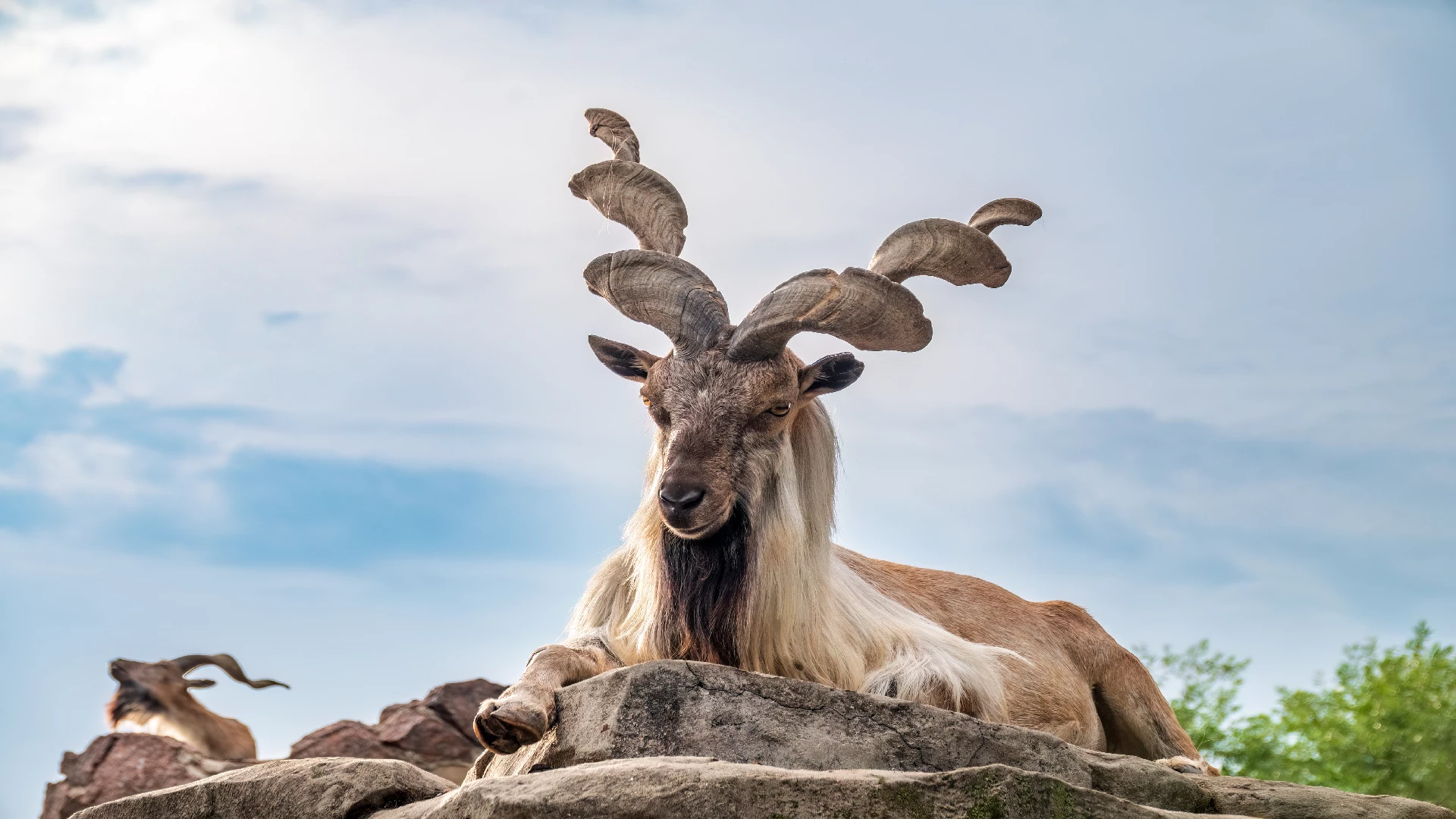
Are you ready for the hunting experience of a lifetime? Markhor hunting in Pakistan offers you the chance to pursue the world’s most coveted mountain trophy while contributing to one of conservation’s greatest success stories.
In September 2025, a single Astore markhor hunting permit sold for a record-breaking $370,000—the highest fee ever paid for any hunting license worldwide. According to a Gulf News repor t on Pakistan’s markhor trophy hunt, this milestone highlights both the conservation-driven hunting model and the exclusivity of the experience.
This isn’t just about the money—it’s about accessing an adventure that fewer than 12 hunters per year are permitted to enjoy.
What Makes Markhor Hunting So Special?
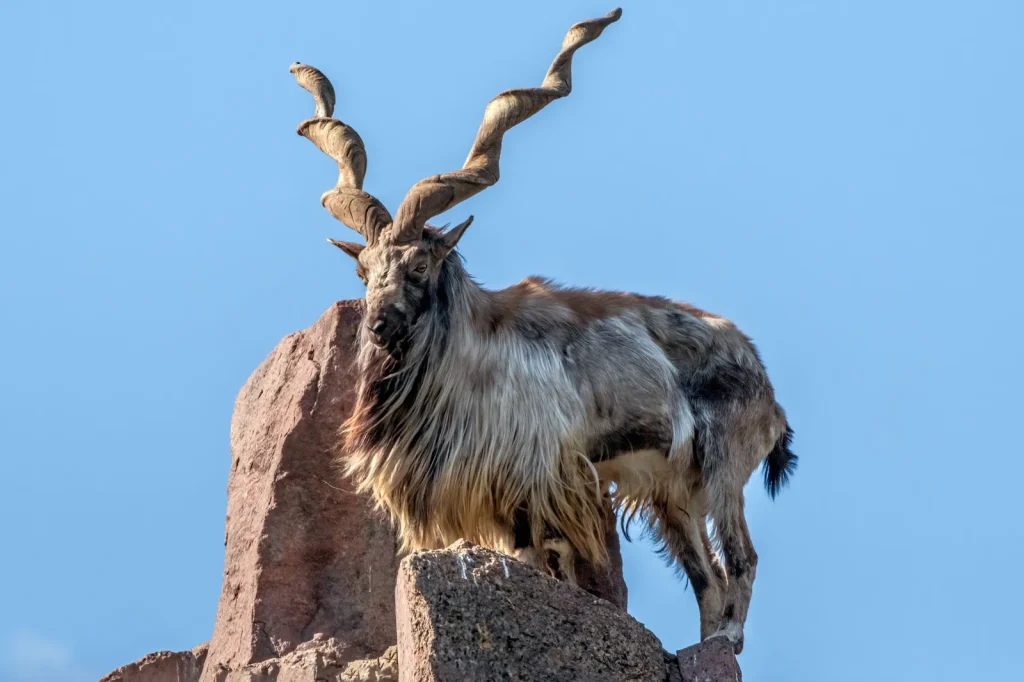
Pakistan’s markhor stands as your ultimate trophy hunting challenge. These magnificent wild goats roam the country’s highest mountains, sporting horns that can grow longer than most humans are tall—up to 160 cm (63 inches).
But here’s what makes this hunt truly extraordinary: You’re not just pursuing a trophy. You’re participating in a conservation miracle that transformed the markhor from critically endangered to thriving.
Pakistan’s National Animal: A Living Symbol
The markhor isn’t just any wild goat, it’s Pakistan’s national animal. The name comes from Persian words meaning “snake-eater,” reflecting local legends about these remarkable creatures. When you hunt markhor in Pakistan, you’re connecting with centuries of mountain culture and tradition.
The Numbers That Tell an Amazing Story
Let me share some incredible statistics that show why markhor hunting matters:
Population Recovery:
- 1994: Fewer than 2,500 markhor (critically endangered)
- 2023: Over 5,500 mature individuals (near threatened status)
- That’s more than a 100% population increase!
Conservation Impact:
- $5 million generated from hunting programs since 1990
- 80% of permit fees go directly to local communities
- Over 400,000 rural villagers benefit across 65 villages
Your hunting permit directly funds habitat protection, anti-poaching efforts, and community development. Former poachers now work as wildlife protectors—that’s the power of well-managed trophy hunting.
Three Subspecies, Three Unique Adventures
Pakistan offers you three distinct markhor hunting experiences, each with its own challenges and rewards:
Kashmir Markhor: The Horn Champions
Found in the Hindu Kush and Himalayan ranges, Kashmir markhor produce the longest horns relative to body size. You’ll find these magnificent animals in Chitral, Kohistan, and Neelum Valley regions.
What to Expect:
- Horn lengths: 50-60 inches
- Characteristic corkscrew spirals with 2-3 complete twists
- 4 permits available annually
- Best hunting: December through February
Astore Markhor: The Ultimate High-Altitude Challenge
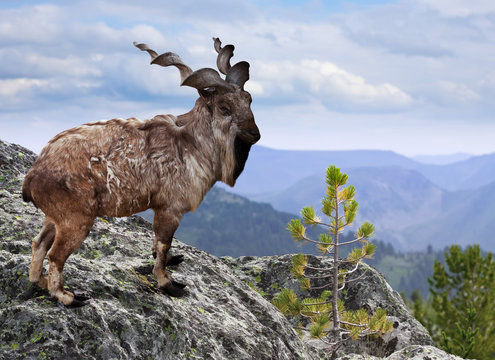
This subspecies represents your toughest hunting challenge. Living at elevations from 6,500-11,800 feet in Gilgit-Baltistan’s rugged terrain, Astore markhor demand exceptional physical conditioning.
The Challenge:
- Massive, flared horns averaging 55-65 inches
- Technical climbing skills required
- Extreme altitude conditions
- The Nanga Parbat conservancy produces world-class trophies
Record Prices (2025-26 Season):
- Highest bid: $370,000
- Second highest: $286,000
- Third: $270,000
- Fourth: $240,000
Sulaiman Markhor: Desert Mountain Experience
In Balochistan’s Torghar Hills, you’ll encounter the smallest markhor subspecies in a unique desert mountain environment.
Unique Features:
- Distinctive straight-flared horns (45-55 inches)
- Animals weigh approximately 150 pounds
- Stand 35-36 inches at shoulder
- Desert mountain habitat offers different scenery
Planning Your Markhor Hunt: What You Need to Know
Best Hunting Seasons
Your optimal hunting window runs November 1 through March 31, but timing varies by region:
Peak Seasons:
- Kashmir markhor: December-February (rutting season)
- All subspecies: Late November-mid January (animals descend to lower elevations)
Physical Preparation: Are You Ready?
Markhor hunting demands serious physical conditioning. You’ll be hunting at elevations up to 11,800 feet in challenging mountain terrain.
Start Your Training 2-3 Months Early:
- Daily uphill training carrying 10-15 kg backpacks
- Cardiovascular conditioning for high altitude
- Resistance exercises for legs, back, and core
- Prepare for temperature extremes (freezing nights to moderate days)
Essential Gear for Success
Your equipment can make or break this expensive hunt:
Must-Have Items:
- High-quality optics (binoculars, spotting scopes, rangefinders)
- Precision rifles (.300 Winchester Magnum or .308 Winchester)
- Technical mountain clothing systems
- Waterproof boots with crampons
- Climbing equipment for technical terrain
Professional outfitters provide comprehensive equipment lists once you confirm your hunt.
The Permit Process: Securing Your Spot
Only 12 markhor hunting permits are issued annually across all subspecies, making this incredibly exclusive. Here’s how the system works:
Annual Allocation:
- Astore markhor: 4 permits (Gilgit-Baltistan)
- Kashmir markhor: 4 permits (Khyber Pakhtunkhwa)
- Sulaiman markhor: 4 permits (Balochistan)
Auction Process: Permits are auctioned annually at the Forest, Parks and Wildlife Complex in Gilgit. International outfitters and hunting operators compete for these limited spots.
Legal Requirements:
- CITES documentation required for trophy export
- Strict reporting to CITES Secretariat
- Import countries must verify compliance
Trophy Standards: What Makes a Record Book Markhor
Markhor trophies are measured using the Safari Club International (SCI) scoring system. The measurement follows the front surface curve from base to tip.
Minimum Trophy Sizes:
- Markhor: 40 inches minimum
- Exceptional specimens: 60+ inches
Horn growth continues throughout life, with prime specimens reaching maximum development between 10-12 years of age.
Working with Local Communities: The Cultural Experience
Your markhor hunt isn’t just about the trophy it’s about connecting with local communities who’ve become conservation champions.
Community Involvement:
- Community-trained guides with intimate terrain knowledge
- Pre-scouting by local members
- Essential logistical support throughout your hunt
- Deep cultural protocols to respect and follow
These communities have transformed from subsistence hunters to dedicated wildlife guardians. Your presence and permit fees directly support their transition.
Conservation Success: How Your Hunt Makes a Difference
The markhor hunting program represents one of the world’s most successful wildlife conservation models. Here’s the impact your participation creates:
Habitat Protection:
- Community conservation committees deploy trained rangers
- Monitoring of wildlife populations
- Enforcement of hunting regulations
- Elimination of illegal hunting and logging
Community Benefits:
- Infrastructure development (schools, healthcare, irrigation)
- Women’s microfinance programs
- Job creation for former poachers as wildlife protectors
- Sustainable income replacing subsistence hunting
Wildlife Recovery:
- Chitral Gol National Park: 154 individuals (1990) to over 2,000 (2020)
- Northern Pakistan surveys document 7,579 markhor across major watersheds
- Population density reaching 0.30 animals per km²
Investment and Value: Understanding the Costs
Markhor hunting represents a significant financial investment, but you’re paying for exclusivity and conservation impact:
2025-26 Base Permit Prices:
- Astore markhor: $200,000 (up from $150,000)
- Kashmir markhor: Varies by auction
- Sulaiman markhor: Varies by auction
Historical Price Growth:
- Early program: $16,271
- 2024 record: $271,000
- 2025 record: $370,000
Remember, 80% of these fees go directly to local communities for conservation and development.
Trophy Care and Export Process
After your successful hunt, proper trophy preparation begins immediately:
Essential Steps:
- Careful handling in high-altitude conditions
- Professional taxidermy by licensed Pakistani specialists
- CITES documentation for international shipping
- Coordination with export requirements
The export process requires self-locking tags indicating export state, specimen quota number, and calendar year.
Why Choose Markhor Hunting in Pakistan?
Your markhor hunt offers something no other trophy hunting experience can match:
- Ultimate Exclusivity: Only 12 permits worldwide annually
- Conservation Impact: Direct funding for species recovery
- Cultural Immersion: Deep connection with mountain communities
- Physical Challenge: High-altitude hunting demands peak conditioning
- Trophy Quality: World’s most spectacular wild goat horns
- Legacy Participation: Join conservation history in the making
Ready to Plan Your Markhor Hunt?
Markhor hunting in Pakistan isn’t just a hunt , it’s a transformative experience that combines adventure, conservation, and cultural immersion. You’ll push your physical limits while contributing to one of conservation’s greatest success stories.
The limited permits and record-breaking auction prices reflect the exclusivity and value of this experience. When you hunt markhor in Pakistan, you’re not just pursuing a trophy—you’re investing in the future of an entire species and the communities that protect them.
The markhor’s journey from critically endangered to thriving population proves that well-managed trophy hunting can be a powerful conservation tool. Your participation continues this success story while giving you the hunting experience of a lifetime.
Are you ready to join the exclusive ranks of markhor hunters? Start planning your expedition to Pakistan’s magnificent mountains with PakAdventure.pk your trusted partner for trophy hunting permits, guided expeditions, and once-in-a-lifetime wilderness experiences.

Tahir is a renowned outdoor adventure specialist and wildlife tourism consultant with over 15 years of experience exploring Pakistan’s diverse hunting and fishing destinations. Based in Islamabad, he has guided expeditions across the Northern Areas, from the trout-rich streams of Gilgit-Baltistan to the high-altitude ibex hunting grounds of the Karakoram range.

[…] programme helped the markhor population recover to over 5,000 today. Today, a strictly regulated markhor hunting programme continues to fund the species’ […]
[…] approved trophy hunting quotas cover a defined list of species, […]