Markhor
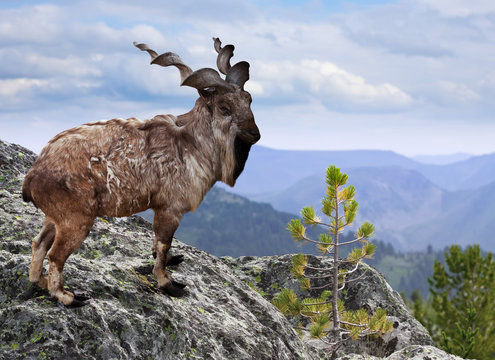


Markhor Hunting in Pakistan
What is Markhor Hunting?
Markhor hunting is a highly exclusive, regulated trophy hunt in Pakistan, targeting the wild goat species Markhor, known for its spiral horns. This hunt combines adventure, conservation, and community development.
Key Facts:
-
Species: Astor, Kashmir, Sulaiman Markhor
-
Locations: Northern Pakistan, Neelum Valley, Balochistan
-
Conservation: IUCN-listed; populations have recovered through community-based conservation programs
Why is Markhor Hunting Rare?
Markhor hunting is one of the world’s most restricted and prestigious hunts:
-
Only 2–5 exportable permits per subspecies issued annually
-
Astor Markhor permit sold for $162,500 in 2022
-
Average hunt costs exceed $120,000+ due to high demand
-
80% of hunting revenue funds anti-poaching patrols, schools, and medical clinics
Connection: High permit costs directly support conservation and community programs, ensuring sustainable hunting.
When is the Best Time to Hunt?
-
Hunting Season: November–April
-
Optimal Months: December–February (best visibility and animal activity)
-
Access: Multi-day high-altitude treks; yak support available for remote areas
Trophy Quality
- Spiral horns up to 65″+ (Astor/Kashmir varieties largest).
- Record-breaking auctions:
- Astor Markhor permit sold for $162,500 in 2022.
- Average hunt costs now exceed $120,000+ due to demand.
How Difficult is the Hunt?
-
Terrain: Karakoram and Sulaiman ranges at 10,000–14,000 ft
-
Hunting Type: Steep cliffs; glassing required for trophy-class billies
-
Physical Requirements: Moderate activity (daily level 5/10); optional high-mountain routes (difficulty 8/10)
-
Transport: Most hunting via 4×4 vehicles with short stalks (<2 miles)
How Does the Permit System Work?
-
Government Auction: Held each September
-
Guiding Ratio: 1:1 with experienced local trackers
-
Payment: Full pre-auction payment; refundable if permits exceed budget
-
Revenue Allocation: Anti-poaching, community development, healthcare, and education
Pricing (2026 Estimates)
- Starting at $120,000 (varies by subspecies/auction results).
Comparative Markhor Subspecies Table
| Subspecies | Horn Shape | Avg. Horn Length | Prime Location |
|---|---|---|---|
| Astor | Tight spiral | 55–65″ | Gilgit-Baltistan |
| Kashmir | Open corkscrew | 50–60″ | Neelum Valley |
| Sulaiman | Straight flare | 45–55″ | Balochistan |
Physical Requirements
- Not Extreme: Daily activity level 5/10.
- Most hunting via 4×4 and short stalks (<2 miles).
- Optional high-mountain routes available (8/10 difficulty).
Security Protocol
- 24/7 armed guards (government-mandated).
- Satellite tracking and emergency medevac coverage.
Trophy Expectations
| Subspecies | Avg. Horn Length | Success Rate | Best Areas |
|---|---|---|---|
| Astor | 55-65″ | 95% | Gilgit |
| Kashmir | 50-60″ | 85% | Neelum |
| Sulaiman | 45-55″ | 75% | Zhob |
VIP Upgrade Options
- Private Helicopter Package ($18,000).
- Door-to-door service from Islamabad.
- Avoid all road travel.
- Trophy Monitoring Service.
- Pre-hunt satellite tracking of 5+ trophy billies.
Luxury Base Camp
- Personal chef and massage therapist.
Included/Excluded
- CITES export permits.
- Armed security escorts.
- Luxury base camps (heated tents/village guesthouses).
- International flights.
- Firearm import fees.
- Trophy shipping (~$1,200–$2,000).
Tour Plan
- Islamabad International (ISB).
- VIP meet-and-greet at airport.
- 6-hour firearm import process (outfitter handles paperwork).
- Overnight at 5-star hotel - gear inspection and briefing.
- Critical: Arrive with extra day buffer for flight delays.
- Chartered Helicopter Transfer (weather permitting).
- 1.5-hour flight to Gilgit with armed security escort.
- OR 14-hour armored convoy via Karakoram Highway.
- Base Camp 1 (9,000 ft): Luxury tented camp with:
- Heated sleeping quarters.
- Satellite internet and solar charging.
- Daily Activities:
- Morning glassing sessions (spotting scopes provided).
- Short hikes to nearby ridges (6,000-10,000 ft).
- Evening strategy sessions with head guide.
- Team Deployment:
- 2 scouts sent ahead to locate trophy billies.
- Typical Day:
- 04:30 - Wake-up call, high-calorie breakfast.
- 05:30 - 4x4 transport to glassing points.
- 06:00-15:00 - Spot-and-stalk (1:1 guide ratio).
- 16:00 - Return to camp, caping if successful.
- Spike Camp Option:
- 2-night mobile camp at 12,000 ft for remote areas.
- Traditional Feast with village elders.
- Trophy Preparation:
- European skull mount by camp taxidermist.
- CITES paperwork initiation.
- Helicopter Extract (priority over commercial hunters).
- Or 2-day road return with armed escort.
Q1: Who can apply for a Markhor hunting permit?
A: Permits are limited and issued via government auctions annually.
Q2: How is the hunting revenue used?
A: 80% supports anti-poaching patrols, schools, and healthcare in remote villages.
Q3: Which subspecies has the largest horns?
A: Astor Markhor, with spiral horns up to 65″.
Q4: Is hunting experience required?
A: Moderate experience recommended; extreme terrain requires professional guidance.


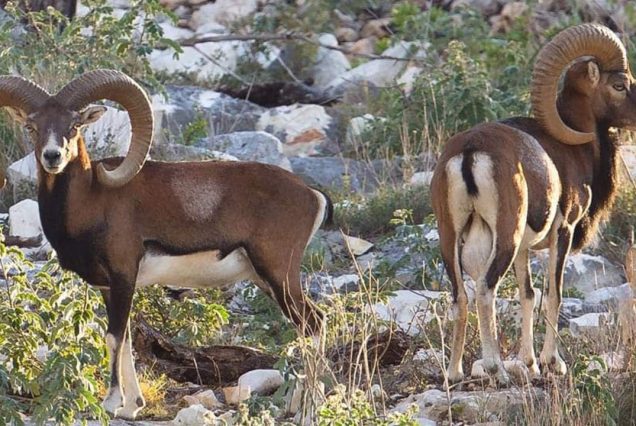
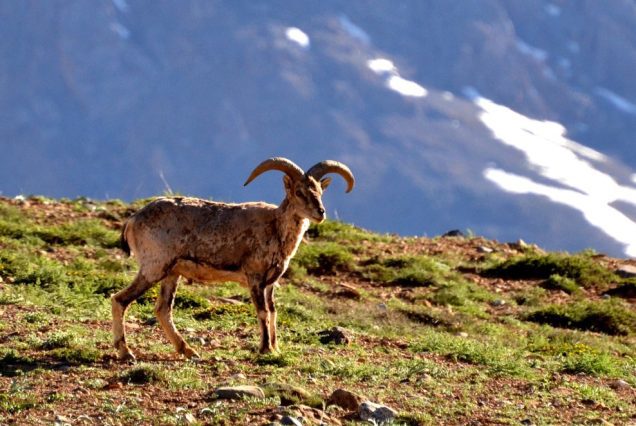
Reviews
There are no reviews yet.